Your Ultimate Guide to a Useful Nature Calendar: Monthly Highlights for Gardeners and Wildlife Lovers

Recent Trends in Nature Calendaring
Over the past few seasons, a clear shift has emerged among home gardeners and wildlife enthusiasts: a move away from rigid, one-size-fits-all gardening schedules toward flexible, observation-based nature calendars. More people are tracking local phenological events—such as first leaf emergence, bird migration pulses, and insect activity—rather than relying solely on published frost dates or average bloom times. This trend has been accelerated by wider access to community science platforms and weather apps that allow users to log their own sightings and compare them year to year. As a result, a “useful nature calendar” is no longer a static poster but a dynamic, personalized tool that adapts to regional microclimates and year-to-year variability.

Background: Why a Nature Calendar Matters
The concept of a nature calendar isn’t new—indigenous knowledge systems and almanacs have long recorded seasonal rhythms. However, modern gardeners and wildlife lovers face a challenge: climate patterns are shifting, making traditional planting guides less reliable. A useful nature calendar bridges the gap between generic advice and site-specific timing. It helps users:
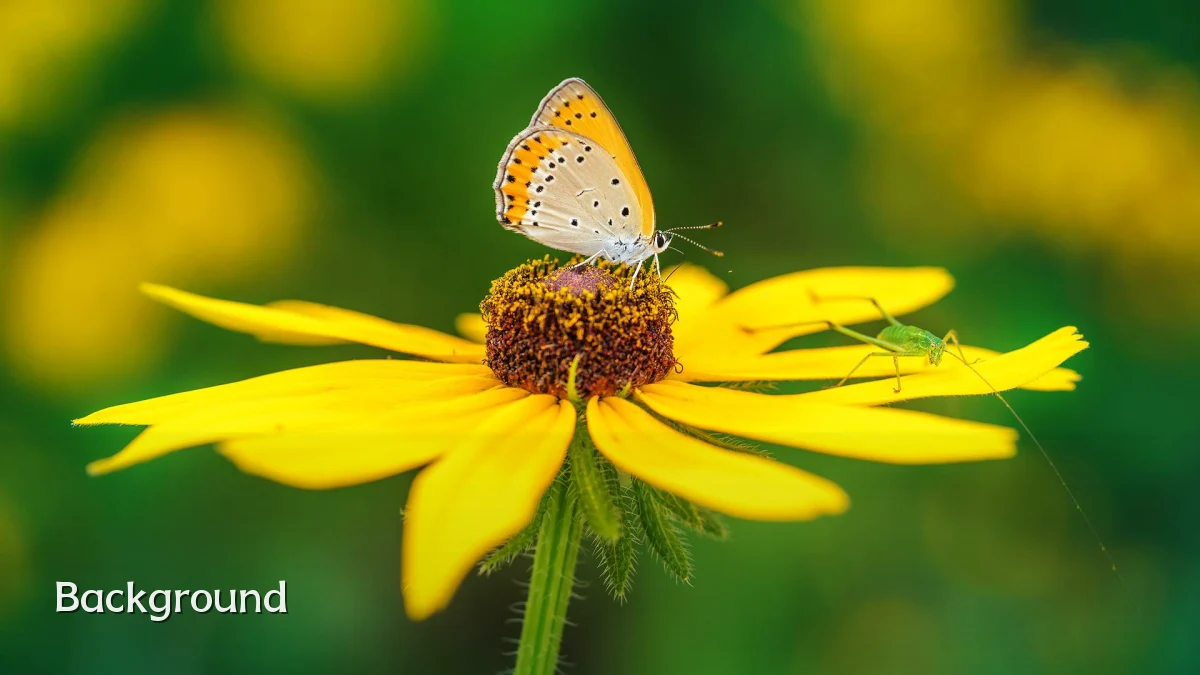
- Align garden tasks with natural cues (e.g., plant seeds when soil temperature reaches a certain range, not just on a fixed date).
- Support local wildlife by timing pruning, leaf removal, and water features to avoid disturbing nesting or foraging.
- Reduce waste by avoiding premature planting that leads to frost damage or pest outbreaks.
- Build resilience through observation, making it easier to adapt to unusual weather years.
User Concerns: Common Pain Points
Even with good intentions, many enthusiasts struggle with practical implementation. Common concerns include:
- Information overload – Monthly checklists from different sources often conflict, especially across hardiness zones.
- Lack of local specificity – Regional almanacs can be too broad, ignoring urban microclimates or coastal influences.
- Difficulty tracking multiple species – A gardener interested in both pollinators and songbirds may struggle to prioritize overlapping tasks.
- Seasonal uncertainty – Late springs or early autumns throw off expected rhythms, leading to missed windows for sowing or feeding.
- Time commitment – Keeping a detailed nature journal feels daunting to casual users who want a quick reference.
Likely Impact: How a Structured Calendar Can Help
When designed with flexibility in mind, a nature calendar can address many of these pain points. Its impact is felt at three levels:
- For gardeners: Improved timing of sowing, transplanting, and harvesting reduces crop loss and increases yield. A calendar that notes “when robins return, it’s safe to plant cool-season greens” creates an intuitive link between wildlife behavior and garden work.
- For wildlife lovers: Knowing when to put hummingbird feeders out or when to leave fall leaves for overwintering insects can directly support local biodiversity. A calendar that tracks multiple trophic levels—plants, insects, birds—helps users see the bigger picture.
- For the ecosystem: Widespread use of observation-based calendars can generate valuable community data on phenological shifts, helping scientists and land managers adapt conservation strategies.
However, the impact depends on the calendar’s usability. If it becomes just another set of fixed dates, it fails. The most useful calendars are those that teach users how to observe and record, not just what to do.
What to Watch Next
As the interest in nature calendars grows, several developments are worth monitoring:
- Integration with smart tech – Apps that prompt users to log sightings and then adjust monthly reminders based on that data will likely become more common.
- Community-driven templates – Local gardening clubs and nature centers may produce zone-specific calendars that are co-authored by members, increasing relevance and accuracy.
- School and citizen science programs – Nature calendars are increasingly used in education, training young people to observe seasonal changes. This could build a generation that values phenological literacy.
- Cross-sector collaboration – Expect more partnerships between botanical gardens, bird observatories, and gardening media to produce unified monthly highlights that serve both gardeners and wildlife advocates.
In the near term, the most useful nature calendars will remain those that are simple, locally adaptable, and built around observable events—rather than arbitrary dates. The challenge for creators and users alike is to keep the calendar alive, updating it each year with fresh observations, so it reflects the real rhythms of the natural world.