How to Create a Seasonal Nature Calendar for Year-Round Outdoor Adventures

Interest in structured outdoor engagement has risen in recent years, with many individuals and families seeking ways to maintain a consistent connection to nature beyond occasional trips. A seasonal nature calendar—a curated schedule of outdoor activities aligned with local phenology—offers a flexible framework for year-round exploration without relying on fixed dates or specific events. This analysis examines current trends, background considerations, common user concerns, potential impact of adopting such calendars, and developments to watch.
Recent Trends
Several developments have driven the popularity of nature calendars:
- Increased remote and flexible work has allowed more people to plan midweek outings and micro-adventures, making a calendar-based approach practical.
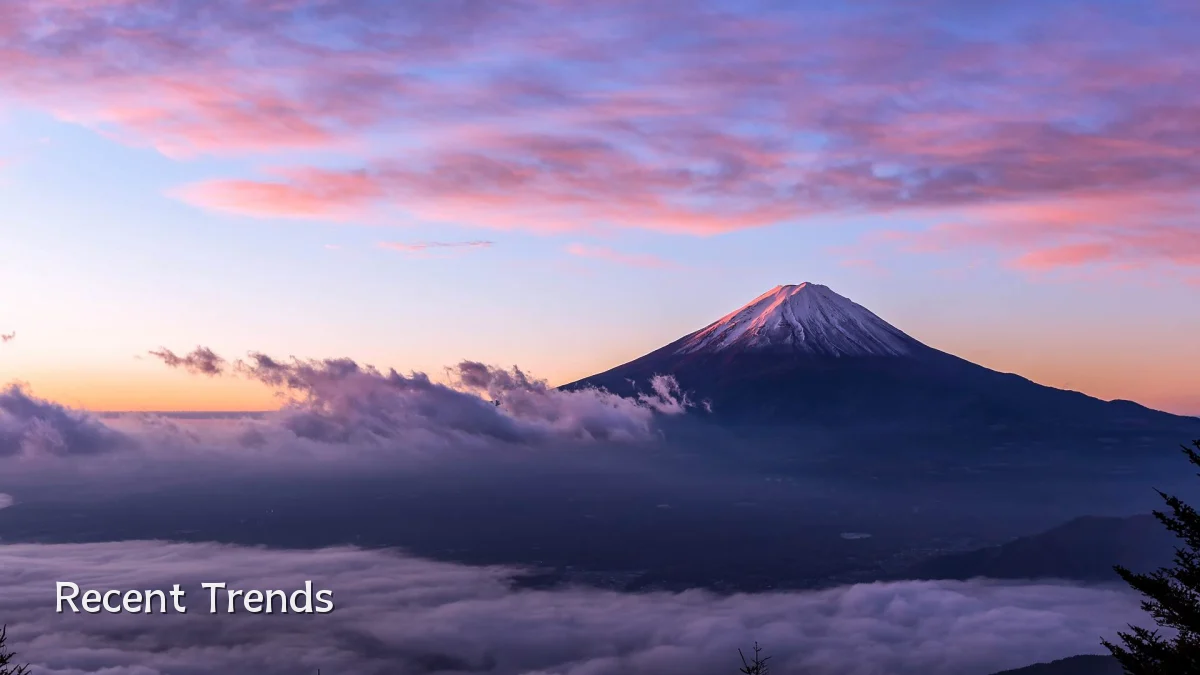
- Growing awareness of seasonal ecological cycles—such as bird migrations, leaf color changes, and wildflower blooms—encourages people to schedule activities around predictable natural phenomena rather than arbitrary holidays.
- Social media sharing of “bucket lists” and seasonal challenge posts has normalized the idea of a planned nature routine, though many users find rigid lists stress-inducing.
- Outdoor recreation retailers and conservation groups have begun promoting seasonal guides and printable calendars, though specific brand offerings vary widely by region.
Background
The concept of aligning outdoor activities with seasons is not new; traditional hunting, gathering, and farming cultures have long followed cyclical patterns. Modern nature calendars borrow from phenology—the study of recurring biological events—allowing users to anticipate salmon runs, frog choruses, or peak foliage without fixing exact dates, since timing shifts year to year. A typical calendar may group activities by quarter (e.g., winter: snowshoeing, stargazing; spring: wildflower rambles, amphibian monitoring) or by month based on local climate norms. The key is leaving room for variation: a calendar for the Pacific Northwest will differ starkly from one for the Southwest.
User Concerns
Creating a seasonal nature calendar raises practical and psychological issues:
- Overplanning versus spontaneity. Some users worry that a calendar will turn outdoor enjoyment into a rigid checklist. Experts suggest using the calendar as a loose inspiration list rather than a schedule.
- Weather and climate unpredictability. A mild winter may delay ice fishing, while an early spring can shift wildflower peaks. Calendars built around month names alone may become outdated. Users are advised to note conditions (e.g., “after first frost” instead of November 1).
- Accessibility constraints. Not all regions offer year-round snow or coastal tides. A calendar must be tailored to one’s home geography and mobility level—substituting hiking with local park birding if needed.
- Commitment fatigue. Weekly or monthly activities can feel like obligations. Many users benefit from a calendar that simply lists options per season without required frequency.
Likely Impact
Adopting a seasonal nature calendar has moderate, generally positive effects on outdoor engagement:
- Greater consistency. People who use a calendar—even loosely—report more frequent trips compared to those who rely on impulse, according to several small surveys.
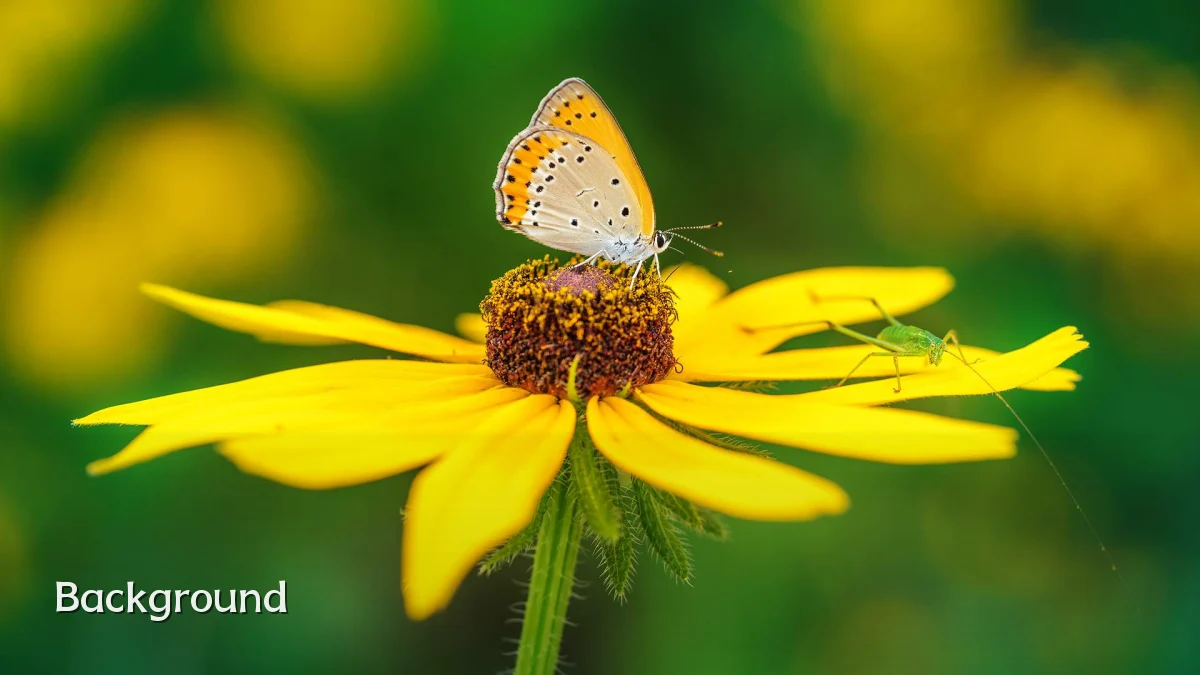
- Improved ecological awareness. By tying activities to natural cues, users become more attuned to subtle changes like first budding or insect hatches.
- Reduced planning stress. A pre‑existing list of possibilities removes the need to brainstorm each time, lowering the barrier to heading out.
- Potential for overcommitment. Without flexible interpretation, a calendar can create pressure. This risk is lower when the calendar is treated as a menu rather than a mandate.
What to Watch Next
Several trends could shape how nature calendars evolve:
- Integration with weather and phenology apps. Tools like iNaturalist or WeatherSpark may begin offering dynamic, region‑specific calendar suggestions updated in real time, reducing the need for static planning.
- Shift in climate patterns. As seasonal timings become less predictable, static calendars lose reliability. Expect more “condition‑based” calendars (e.g., “go when maple leaves are 30% turned”) rather than date‑based ones.
- Community‑driven calendars. Local nature groups are experimenting with shared calendars that members update with current sightings and conditions, blending structure with real‑world data.
- Demand for customization. Users increasingly want calendars filtered by difficulty, equipment needed, or family‑friendliness. Platforms that offer such filters may gain traction.
The seasonal nature calendar remains a low‑risk tool for organizing year‑round outdoor adventures, provided it is treated as adaptable and personal. The biggest watchpoint is whether future digital integration can reduce the friction of keeping it current while preserving the simple inspiration it aims to provide.