How to Choose a Professional Nature Calendar for Your Office in 2025

Recent Trends in Office Nature Calendars
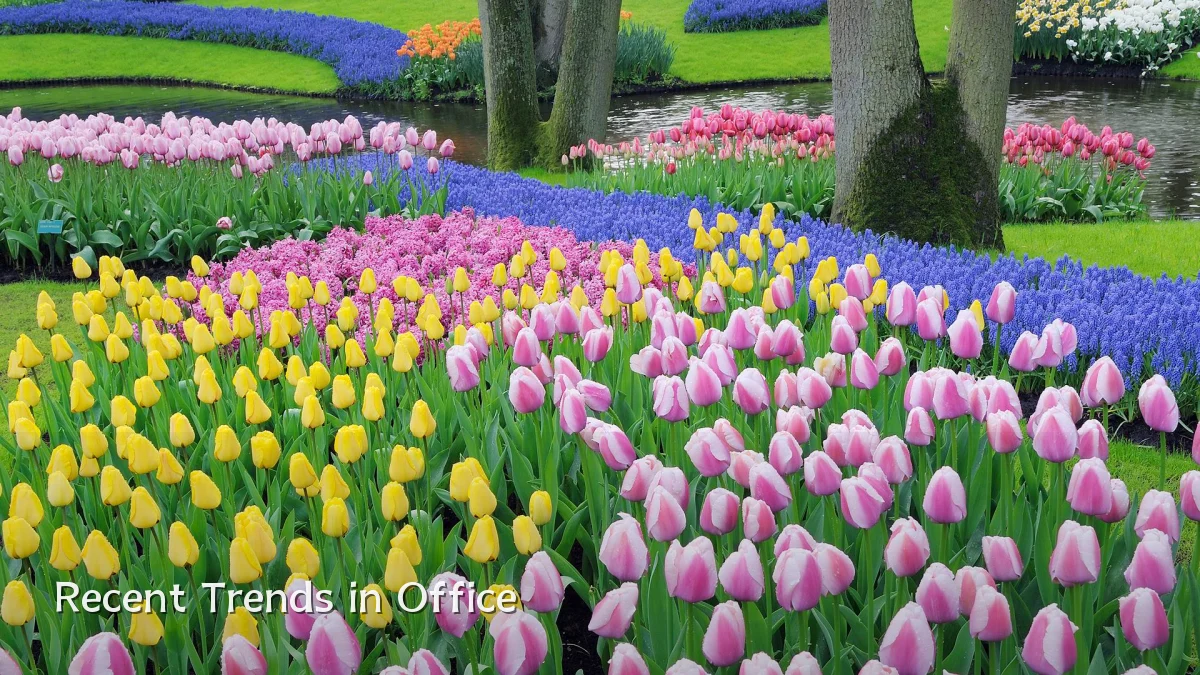
The 2025 market for professional nature calendars reflects a shift toward curated, sustainable design. Offices increasingly favor calendars that blend high-resolution imagery with minimalist layouts to avoid visual clutter. Digital-physical hybrids have emerged, where a printed calendar includes QR codes linking to extended photo galleries or local hiking information. Meanwhile, corporate buyers are prioritizing suppliers that use recycled paper, vegetable-based inks, and carbon-neutral shipping. Another trend is the move away from generic stock photography to exclusive collaborations with nature photographers or conservation organizations.
Background – Why Nature Calendars Remain Relevant
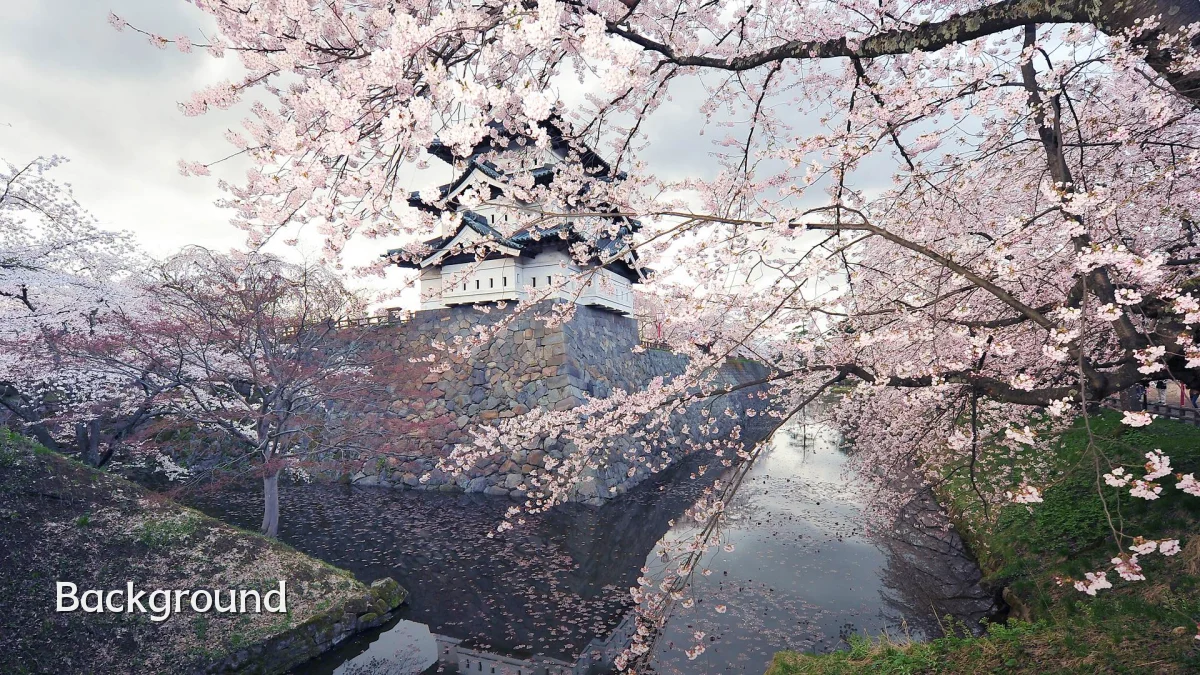
Even as workplaces adopt digital scheduling, a physical nature calendar serves a distinct role: it introduces a natural focal point that supports biophilic design principles. Studies in workplace psychology (general findings, not specific numbers) suggest that nature imagery can reduce stress and improve cognitive function. A well-chosen calendar also signals a company’s attention to detail and environmental mindfulness. In open-plan offices, a large-format nature calendar can soften hard surfaces and break up monotonous wall space without the permanence of wallpaper or art installations.
User Concerns When Selecting a Calendar
- Size and layout: Common wall sizes range from 12x12 inches to 24x36 inches. Consider whether the grid needs to accommodate meeting notes or if a minimal date-only design suffices.
- Print quality and finish: Matte or semi-gloss paper reduces glare under office lighting. High-contrast, color-calibrated printing ensures that landscapes and wildlife appear vibrant throughout the year.
- Thematic consistency: Some offices prefer a single biome (e.g., temperate forests, coastal scenes) while others rotate ecosystems by season. Decide whether a single theme or a varied collection better fits your brand or team culture.
- Durability and mounting: Thicker paper (≥150 gsm) resists curling and tearing. Look for wire-bound or stapled spines that allow flat hanging; some calendars include pre-cut hangers or magnetic strips.
- Sustainability criteria: Check for FSC certification, local printing (to cut transport emissions), and companies that donate a portion of proceeds to land trusts or reforestation projects.
Likely Impact on Workplace Environment
A professional nature calendar can subtly influence daily office interaction. Employees pause to note upcoming holidays or team deadlines, but also engage in casual conversation about a striking photo — a rare unplanned social touchpoint. Managers report that a rotating seasonal calendar helps mark time in a positive way, breaking the monotony of back-to-back meetings. From a design perspective, a single large calendar can unify a reception area or break room, providing a natural anchor that reduces the need for additional decorations. Over a year, the cumulative exposure to high-quality nature imagery may contribute to a calmer, more focused atmosphere — particularly in windowless interior offices.
What to Watch Next
- Modular calendar systems: Some manufacturers now offer interchangeable photo panels so that the grid stays but the artwork changes quarterly, extending the calendar’s lifespan beyond one year.
- Augmented reality layers: Early 2025 tests show AR-enabled nature calendars that, when scanned, play ambient sounds or short videos of the photographed location — though corporate adoption is still limited by hardware requirements.
- Local artist features: Regional offices are increasingly sourcing calendars from local photographers or indigenous artists, aligning with diversity and place-based storytelling initiatives.
- Integration with digital calendars: A few brands now provide a companion app that syncs printed calendar notes to a team’s shared digital calendar via OCR — a feature that may gain traction if costs drop.