Hidden Wildlife Wonders You Can Spot Right in Your Backyard

Recent observations shared on nature portal blogs indicate a growing public interest in the small, often overlooked animals that share urban and suburban spaces. While backyard bird feeders and squirrel antics are familiar, many species go unnoticed until a quiet moment or a shift in light reveals them. This analysis looks at what is driving the trend, the background of backyard biodiversity, common user concerns, the likely impact on conservation awareness, and what to watch for next.
Recent Trends
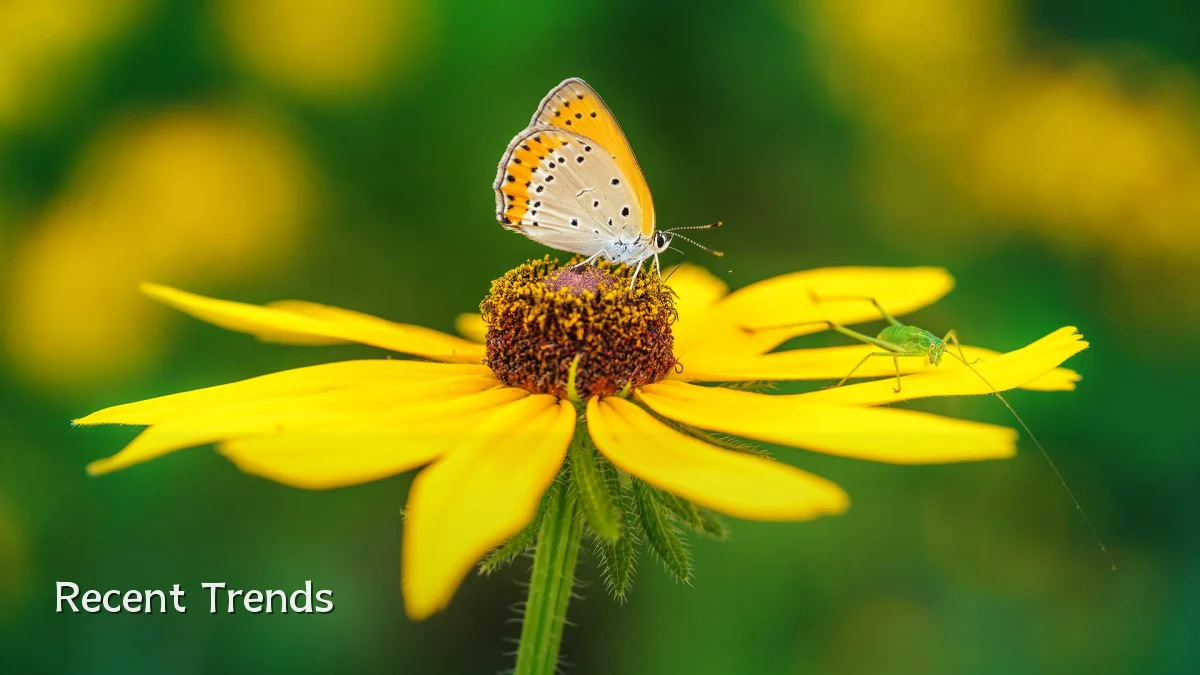
Nature portal blogs have noted a steady rise in user-submitted photographs and descriptions of previously unremarked creatures: moths that mimic leaves, solitary native bees nesting in bare soil, and nocturnal visitors such as opossums and flying squirrels. The increase appears linked to several factors:
- More people working from home, spending extra time in gardens and on patios during dawn and dusk.
- Affordable smartphone cameras with macro and night modes enabling quick documentation.
- Community science initiatives that encourage users to log sightings on platforms like iNaturalist, which feed into nature portal blog round-ups.
Background
Backyard habitats are not accidental; they are shaped by plant choice, water sources, and human activity. Native flora attracts specific insects, which in turn draw birds, amphibians, and small mammals. Over decades, suburban development fragmented larger ecosystems, but many species adapted to backyard niches. For instance, certain solitary wasps and beetles rely on dead wood or bare patches of soil—features often removed in manicured lawns. Nature portal blog editors frequently highlight that a garden’s diversity depends on allowing some “mess” and reducing pesticide use.

User Concerns
Common worries expressed in comment sections and forum threads on nature portal blogs include:
- Identification confusion – Distinguishing a harmless snake from a venomous one, or a native bee from a yellow jacket, can be stressful for beginners.
- Fear of unwanted encounters – Raccoons, skunks, or coyotes near a home raise safety and pet concerns.
- Uncertainty about intervention – Users ask whether to feed, relocate, or ignore an animal; blogs generally advise minimal interference and consulting local wildlife authorities.
- Perceived “pest” status – Animals like ground beetles or orb-weaver spiders are often killed needlessly when they are beneficial predators.
Likely Impact
The growing documentation of backyard wildlife could have several effects:
- Increased local conservation interest – People who notice a particular species are more likely to protect its habitat and advocate for green spaces.
- Shift in gardening practices – Demand for native plants and chemical-free yard care may rise, influenced by featured articles on nature portal blogs.
- Policy nudges – Municipalities may adopt wildlife-friendly ordinances (e.g., reducing night lighting, leaving leaf litter intact) if residents report frequent observations.
- Better data for science – Community-submitted records help researchers track range shifts and population trends without costly surveys.
What to Watch Next
Looking ahead, nature portal blog content is likely to focus on:
- Seasonal primers – Timed guides for spotting specific species (e.g., firefly displays in June, migratory songbirds in spring).
- New identification tools – AI-powered apps that can auto-identify from photos, reducing user frustration.
- Regional spotlights – Articles narrowing to particular countries or climate zones, helping readers localize their expectations.
- Behavioral insights – Deeper dives into the hidden lives of common backyard animals, such as the nightly routines of bats or the tunneling habits of moles.
- “No mow” and rewilding experiments – Case studies of lawns converted to meadows, documenting the wildlife that appears within months.