Design Principles for a Stunning Nature Portal

Recent Trends
The latest nature portals are moving away from static image galleries toward immersive, layered experiences. Key trends include:
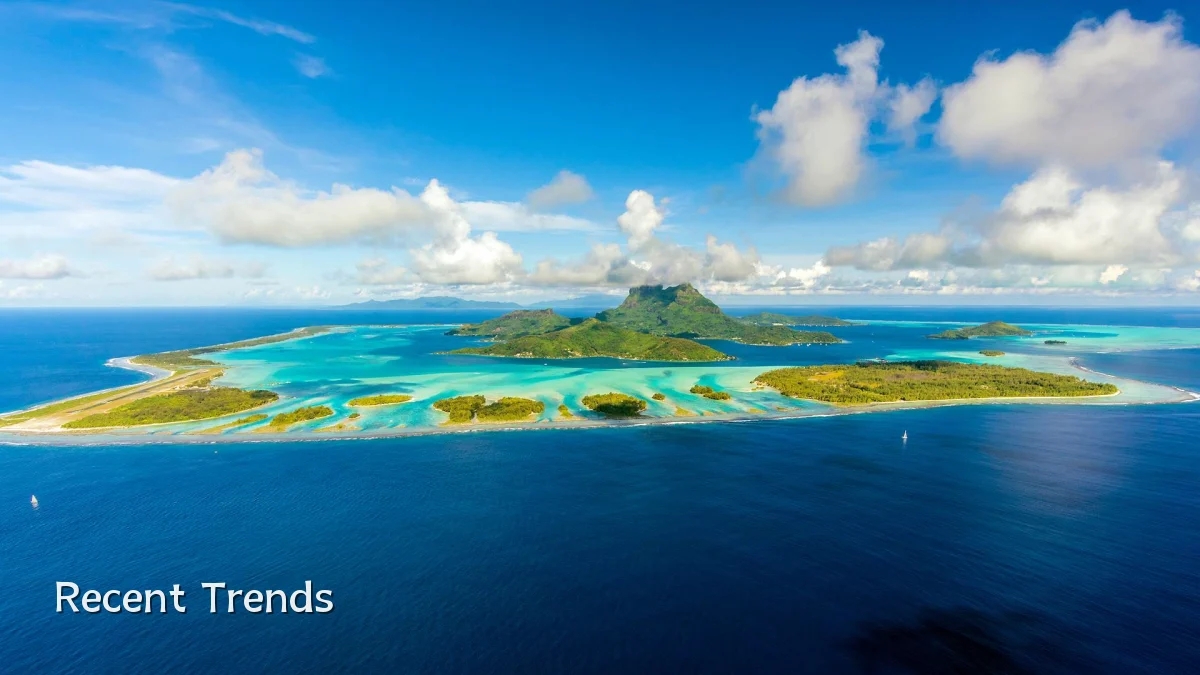
- Full-screen background video or high-resolution panoramas that load progressively
- Dark-mode interfaces that reduce light pollution and highlight natural colors
- Integrated soundscapes—ambient birdsong or water sounds—triggered by scroll position
- Responsive layouts that treat mobile and tablet as primary experiences, not afterthoughts
Background
Nature portals began as simple directories of trails and park information. Over the past decade, the shift toward storytelling and emotional immersion has redefined their purpose. Today’s portals serve as digital gateways: they must balance factual utility (maps, rules, alerts) with aesthetic inspiration that mirrors the tranquility of the natural world. This dual role creates tension between data density and visual clarity.

User Concerns
Visitors to nature portals typically raise four recurring issues:
- Findability: Can I quickly locate a trail, a species guide, or a weather update without digging through heavy visuals?
- Load performance: Large background media should not block text or cause sluggish scrolling, especially on variable network connections.
- Accessibility: Color contrast, font size, and screen-reader compatibility are essential for older users and those with vision impairments.
- Authenticity: Users expect updated, location-specific content—generic stock photography undermines trust.
Likely Impact
When design principles are applied consistently, the effects are measurable across several dimensions:
- User retention: A calm, uncluttered layout encourages longer session times, which correlates with deeper engagement with conservation content.
- On-site behavior: Clear wayfinding reduces bounce rates and helps users move from inspiration to action—booking a visit, donating, or sharing.
- Brand credibility: A portal that loads quickly and feels cohesive signals professionalism and respect for the subject matter.
- Search visibility: Purposeful structure and concise alt text support discoverability without sacrificing design quality.
What to Watch Next
The next evolution of nature portals will likely be shaped by three developments:
- Augmented reality previews: Allowing users to hold their phone up and see trail conditions or species info overlaid on a live camera feed.
- AI-driven personalization: Surfacing content based on fitness level, time available, or past favorite habitats—without requiring users to fill out a lengthy questionnaire.
- Low-bandwidth modes: Smarter caching and adaptive imagery that preserve the aesthetic for users in rural or remote areas where connectivity is unpredictable.