A Month-by-Month Guide to England's Natural Calendar
Recent Trends in Nature Calendars
Interest in month-by-month nature guides has grown steadily among walkers, gardeners, and educators. Online searches for seasonal wildlife events and bloom times rose noticeably after 2020, as more people turned to local outdoor activities. Publishers and conservation groups now regularly update printed and digital calendars to reflect shifting patterns.
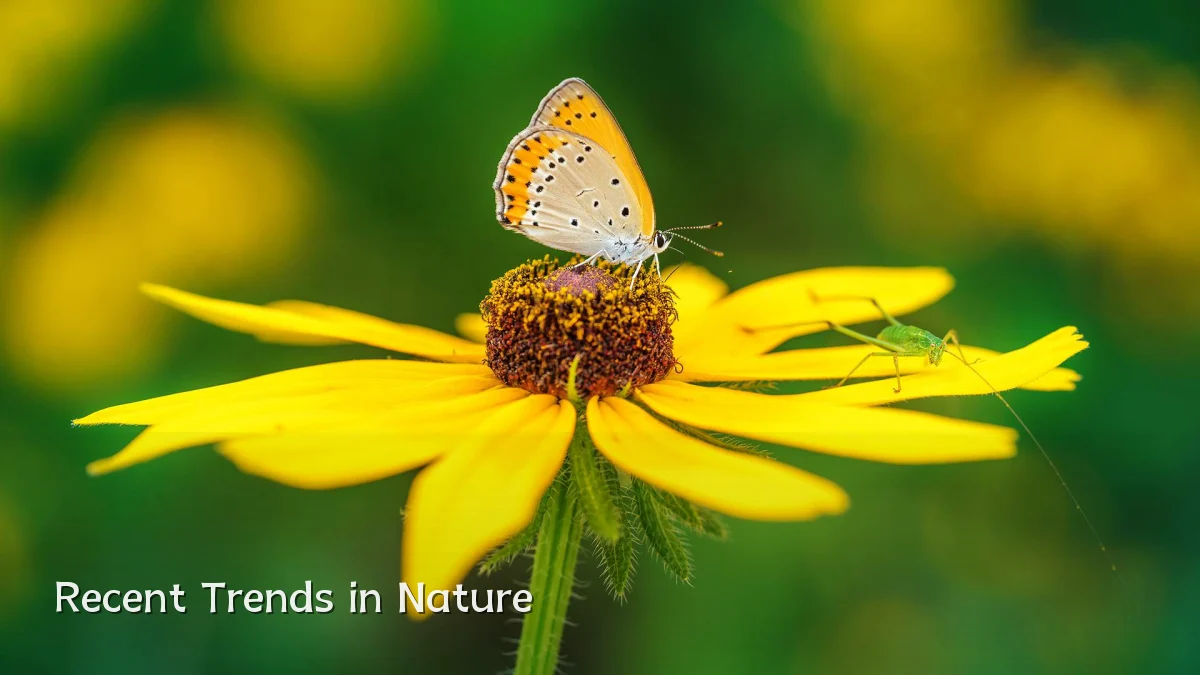
Citizen science platforms, including the UK Phenology Network, have reported a sharp increase in volunteer observations. Contributors are documenting first sightings of migrating birds, emerging insects, and flowering plants, which feed into updated calendar models. These crowd-sourced data sets allow guides to be refined at a finer geographic scale than before.
Background of the English Nature Calendar
England’s natural calendar has long been used by rural communities to plan farming, fishing, and foraging. Traditional almanacs listed approximate weeks for lambing, hedge laying, and berry picking. Over the 20th century, naturalist organisations such as the Wildlife Trusts and the Royal Society for the Protection of Birds produced standardised month-by-month guides for public use.
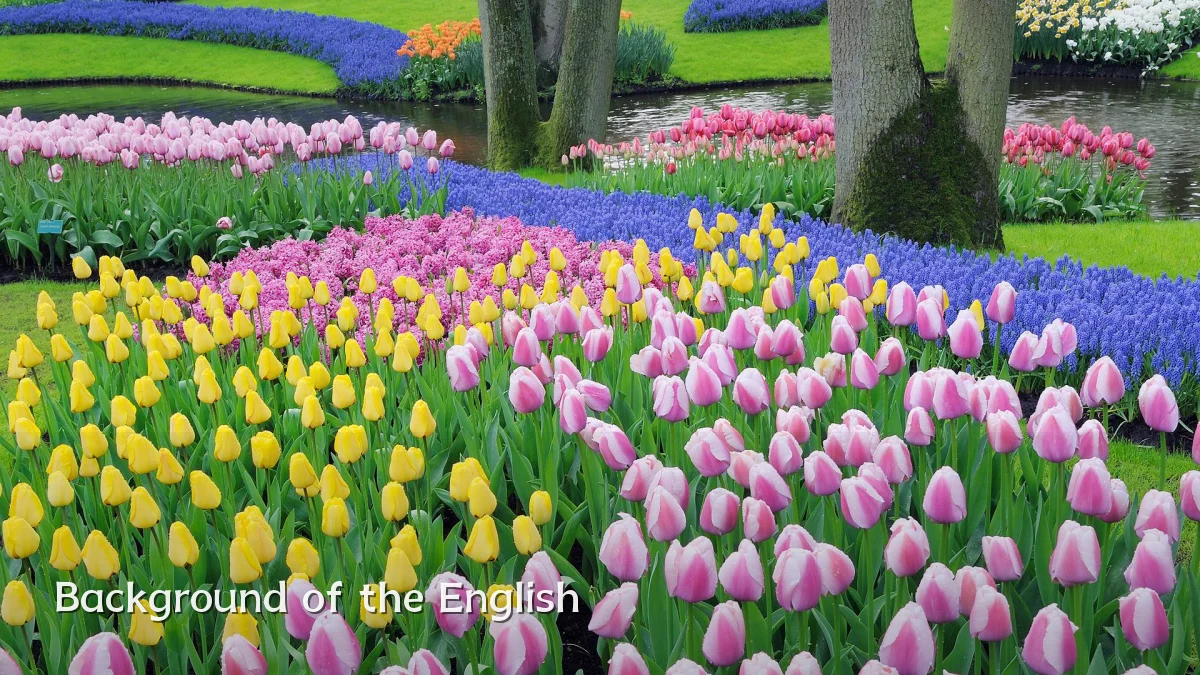
Key markers in the classical English calendar include:
- January – winter bird roosts and early snowdrop emergence
- April – bluebell displays and migrant swallow arrival
- June – hay meadow wildflowers and fledging broods
- September – autumnal fruit ripening and starling murmurations
- December – winter solstice and hibernation cues
These benchmarks remain broadly valid, but local variation has become more pronounced, prompting guides to add regional notes.
User Concerns About Reliability
People using month-by-month nature calendars often face uncertainty about timing and geographical accuracy. Common concerns include:
- Climate-related shifts: spring events now occur roughly 10–14 days earlier on average compared with 50 years ago, making older guides outdated.
- Microclimate differences: coastal vs. inland, urban vs. rural, and altitude can shift calendar dates by several weeks.
- Species mix changes: some traditional indicator species (e.g., certain butterflies or birds) have declined or expanded ranges, altering the calendar’s relevance.
- Data trust: users question whether published calendars rely on recent, local records or historical averages.
These issues reduce confidence among planners, especially event organisers and school groups who need predictable timings.
Likely Impact on Nature-Based Activities
Tourism operators increasingly reference nature calendars to promote seasonal experiences, such as dawn chorus walks or autumn colour tours. If calendars become less reliable due to climate variability, visitor expectations may not align with actual conditions, potentially reducing satisfaction.
In agriculture and horticulture, farmers and gardeners adjust planting and harvesting schedules based on phenological cues. Less predictable calendars increase crop risk and may require on-the-ground monitoring rather than relying on printed guidance.
Schools and citizen science programmes depend on month-by-month guides to plan outdoor learning. If the sequence of natural events becomes jumbled, educators need to adopt more flexible, observation-based curricula rather than fixed-month schedules.
What to Watch Next
Several developments are likely to shape the future of England’s nature calendars:
- Real-time digital platforms: apps that incorporate live user reports and weather data to provide week-by-week updates, replacing static printed calendars.
- Regionalisation: organisations are producing separate calendars for the South West, the North, and the Midlands, acknowledging local differences.
- Species replacement monitoring: as climate change alters habitats, calendars may highlight new indicator species (e.g., those moving northward) rather than traditional ones.
- Integration with weather services: the UK Met Office has been exploring phenological forecasting, which could feed into automated monthly guides.
- Public participation growth: schemes like the Nature’s Calendar project are expected to expand, providing the data needed to keep guides accurate under changing conditions.
Keeping an eye on how these tools evolve will help users decide whether to rely on a generalised month-by-month guide or to seek more dynamic, location-specific alternatives.